
Electricity is not a static trade; it is a rapidly evolving field where safety standards and technology shift constantly to protect homeowners. With the National Electrical Code (NEC) updating its standards every three years, electricians must commit to lifelong learning to ensure every home they touch is safe and compliant. Staying current isn’t just about following rules, it is about leveraging new technologies like arc fault protection and smart panels to prevent disasters before they happen.
The National Electrical Code and Continuous Training
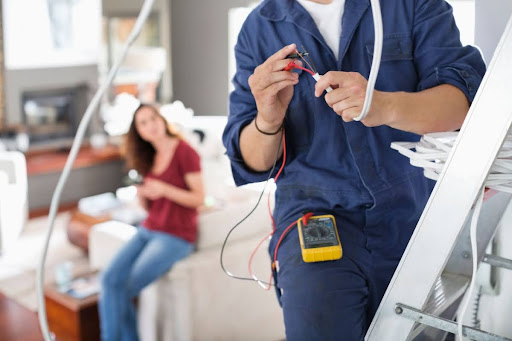
The backbone of electrical safety in the United States is the National Electrical Code (NEC). This extensive document is not a one-time set of rules but a living standard that undergoes a rigorous revision process, with a new edition published every three years to address emerging hazards and technologies.
For professional Houston electricians, keeping up with these changes is non-negotiable. In states like Texas, licensed electricians are required to complete continuing education courses annually to renew their licenses. These sessions often focus on critical updates, such as:
- New Code Articles: In the code book, changes are often highlighted with a small “N” to signify new requirements, ensuring electricians can quickly identify updates.
- Safety Protocols: Training covers essential topics like grounding, bonding, and updated load calculations.
- State Regulations: Departments like the Texas Department of Licensing and Regulation (TDLR) send regular updates to ensure pros are aware of the latest legal requirements.
Key Code Updates That Impact Homeowners
Recent code cycles have introduced significant changes aimed at improving fire safety and first responder access. Homeowners should be aware of these modern standards, especially when renovating or upgrading their electrical systems.
Emergency Disconnects
One of the most visible changes in recent years (introduced in the 2020 NEC) is the requirement for an exterior emergency disconnect for one- and two-family dwellings. This allows first responders, such as firefighters, to shut off power to a home from the outside during an emergency without having to enter a potentially dangerous building.
Expanded GFCI Protection
The 2023 NEC cycle expanded the requirement for Ground Fault Circuit Interrupter (GFCI) protection. While previously common in bathrooms and kitchens, GFCI protection is now required for electric clothes dryers and ranges. This protects users from shock hazards in laundry rooms and cooking areas where moisture and electricity often mix.
Arc Fault Circuit Interrupters (AFCIs)
First introduced in the 1999 NEC and becoming effective in 2002, Arc Fault Circuit Interrupters (AFCIs) are a critical safety technology designed to detect dangerous electrical arcs that standard breakers might miss. Unlike standard breakers that trip on overloads, AFCIs monitor the circuit for unique arcing signatures that can ignite fires within walls.
Addressing Legacy Hazards: Aluminum Wiring
Staying current also means knowing how to handle outdated materials. Between the mid-1960s and early 1970s, many homes were built using aluminum wiring for branch circuits due to a copper shortage.
Over time, aluminum wiring can become a severe fire hazard. The U.S. Consumer Product Safety Commission (CPSC) reports that homes wired with aluminum manufactured before 1972 are 55 times more likely to have one or more connections reach fire hazard conditions than homes wired with copper.
Safe Remediation Options:
- Complete Rewire: The most comprehensive but expensive solution, a home rewiring, often costing tens of thousands of dollars.
- AlumiConn/Copalum Connectors: A code-compliant repair that involves splicing copper “pigtails” to the aluminum ends using special connectors and antioxidant paste. This prevents the oxidation and loosening that cause fires.
Modernizing the Electrical Panel
The electrical panel is the heart of a home’s power system, but it has a finite lifespan. Most breaker boxes are designed to last between 25 to 40 years. Beyond this age, mechanical components can fail, and the panel may not handle modern electrical loads.
Trends in Panel Technology:
| Feature | Benefit |
| Surge Protection | Protects sensitive electronics and appliances from voltage spikes. |
| Smart Panels | Allows homeowners to monitor energy usage and control circuits via smartphone apps. |
| EV Circuit Capacity | Dedicated high-amperage circuits designed to safely charge electric vehicles. |
Contact A1 Plus Electrical, Plumbing & Air
Staying current with code and technology is about more than just compliance; it is about safety. Whether it is upgrading to the latest AFCI breakers, installing an exterior disconnect for fire safety, or remediating dangerous aluminum wiring, modern electrical standards are designed to save lives and property. Homeowners should ensure their electricians are not just skilled with tools, but also up-to-date with the ever-changing landscape of electrical safety.