
Breaker Box Upgrades and Repairs
The breaker box, often called the electrical panel or load center, serves as the heart of a home’s electrical system, distributing power to every room while protecting against dangerous overloads. Despite its critical role in safety and daily convenience, this essential component is often overlooked until a failure occurs or a major upgrade, such as an electric vehicle charger, is required.
Lifespan and Signs of Failure
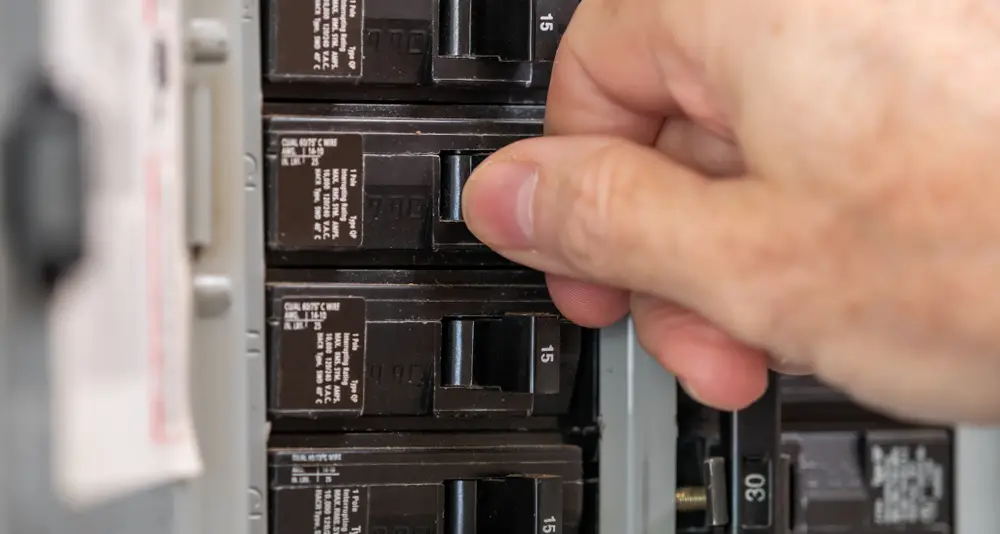
While often assumed to be permanent fixtures, breaker boxes have a finite operational life. Industry standards indicate that electrical panels typically have a lifespan of 25 to 40 years. Beyond this window, components can degrade, leading to potential safety hazards or nuisance tripping. In regions with high humidity or extreme heat, such as the southern United States, environmental factors may accelerate this wear.
Homeowners should be vigilant for signs that a panel needs replacement, including:
- Partial Power Loss: Losing power to specific legs of the service, often indicated by large appliances like air conditioners failing to cool despite the fan running.
- Physical Damage: Rust, corrosion, or evidence of arcing (burn marks) inside the panel.
- Obsolete Technology: Older panels may lack modern safety features like dedicated grounding paths or arc-fault protection.
Breaker Box Location and Code Compliance
The physical location of breaker boxes varies significantly by region and code era. In the Northeast, panels are traditionally found in basements, whereas in the South, they are frequently installed on the exterior of the home. Recent updates to safety standards have standardized access requirements for emergency personnel.
The 2020 National Electrical Code (NEC) introduced a requirement for one- and two-family dwellings to have an emergency disconnect installed in a readily accessible outdoor location. This allows first responders to shut off power to a structure without entering a potentially dangerous building during a fire or flood.
Panel Quality: Builder Grade vs. Premier
Not all breaker boxes are created equal. Manufacturers often produce two distinct lines of panels: a “builder grade” option designed for cost savings and a “premier” line designed for longevity and performance. For example, Eaton produces both the BR (Bryant) series and the CH (Cutler-Hammer) series.
| Feature | Builder Grade (e.g., Eaton BR) | Premier (e.g., Eaton CH) |
| Bus Bar Material | Aluminum | Copper (Silver-flashed) |
| Warranty | Typically 10 Years | Limited Lifetime |
| Primary Use | New construction/Volume building | Custom homes/High-end retrofits |
The use of a copper bus bar in premier panels provides superior conductivity and greater corrosion resistance compared to aluminum bus bars in standard builder-grade models.
Critical Safety Systems: Grounding and Arc Faults
Modern breaker box installations involve more than just connecting wires; they require strict adherence to safety codes regarding grounding and fire prevention.
Grounding Requirements
A proper grounding system provides a safe path for electricity to discharge into the earth. The National Electrical Code requires that when ground rods are used as the grounding electrode, they must be spaced a minimum of 6 feet apart. Placing rods too close together reduces their effectiveness because their spheres of influence overlap in the soil.
Arc Fault Protection
To prevent electrical fires, modern codes require Arc Fault Circuit Interrupters (AFCIs). Unlike standard breakers that only trip during an overload, AFCIs are designed to detect dangerous electrical arcs that can ignite surrounding materials. These devices first appeared in the 1999 edition of the National Electrical Code.
The Danger of Aluminum Wiring
Homes built during a specific era present unique challenges for breaker box safety. Between the mid-1960s and early 1970s, high copper prices led builders to use aluminum wiring for residential branch circuits.
“Homes wired with aluminum wire manufactured before 1972 are 55 times more likely to have one or more connections reach fire hazard conditions than is a home wired with copper.” — Consumer Product Safety Commission (CPSC)
The risk stems from aluminum’s physical properties; it expands and contracts significantly more than copper and is prone to oxidation. This can cause connections at switches and outlets to loosen over time, creating high resistance and heat. Rather than a full whole-home rewire, which is invasive and costly, Houston electricians can use specialized connectors. These “purple” wire nuts (such as AlumiConn) contain an antioxidant paste designed to prevent oxidation and ensure a safe connection between the aluminum wire and copper devices.
Contact A1 Plus Electrical, Plumbing & Air For Breaker Box Upgrades
Whether upgrading for a new EV charger or replacing an aging unit, the breaker box is a pivotal component of home safety. Understanding the differences in panel quality, code requirements for disconnects, and the specific risks associated with older wiring materials allows homeowners to make informed decisions that protect both their property and their families.
Contact A1 Plus Electrical, Plumbing & Air for all of your breaker box repairs or upgrades.